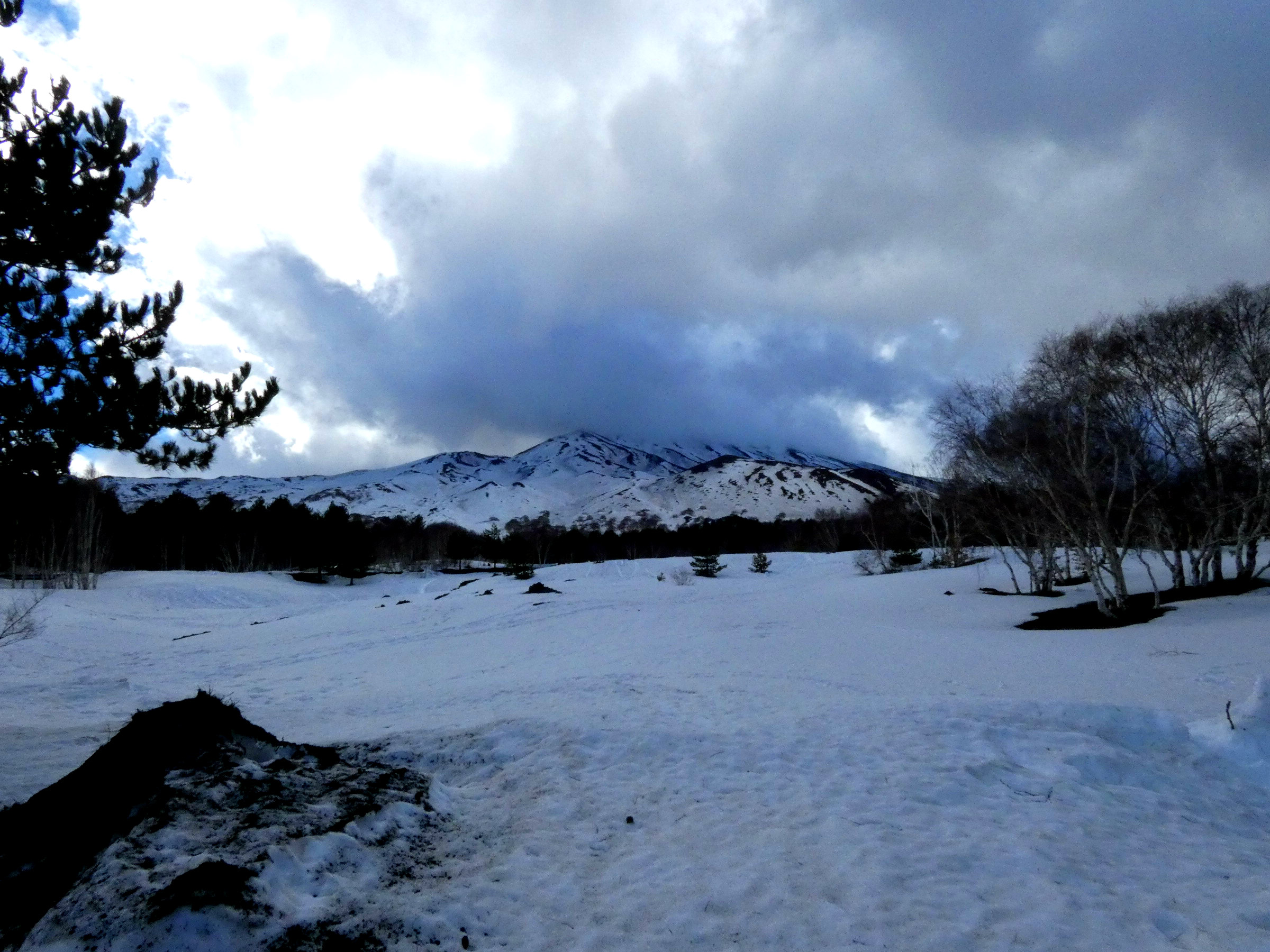
Mount Etna is one of the highest volcanoes in Europe, and its summit varies in size depending on eruptions. It currently reaches 3,400 meters, which means snow and ice are present every winter. Depending on the year, snow can be more or less abundant, but at the summit—and on the cold north flank—it certainly appears every year. And the presence of snow on Etna is very important, because it guarantees advantages and benefits for the entire surrounding area. We will tell you why this “white treasure,” for us Etna natives, is even better than gold.
Snow means water
The snow that accumulates on Mount Etna means the certainty of water. Thanks to the volcano’s lava soil, which absorbs and drains through underground tunnels and caves, the snow and ice slowly melt. Transformed into water, they then seep into hidden channels that reach the valley. Through these canals and aquifers, fresh water reaches the foothill towns and supplies irrigation for fields and public aqueducts. This is why Sicily’s severe water crisis is mitigated or completely absent in the towns around Etna.
 Snow means “nourishment”
 Snow means “nourishment”
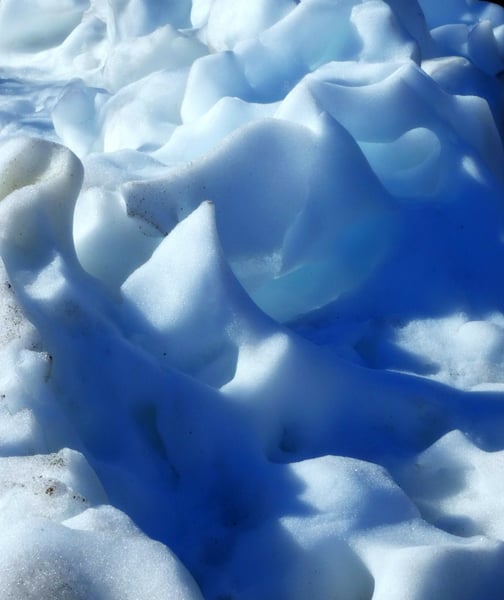
When the snow melts and infiltrates the underground canals through the lava rock, it becomes veins of water that carry mineral elements with essential “nutrients” to enrich the soil. This water, therefore, makes Etna’s country fields much more fertile than many others in Sicily. And this is also the basis for the unique quality of local food and wine.
Snow means having fun
Who doesn’t feel like a child again when snow arrives? It’s impossible to resist that white blanket, the thought of a snowball fight or a sledding ride. When Etna is covered in snow, the fun begins! Families flock to high-altitude resorts like Piano Vetore or Piano Provenzana, where they can ski, sled, and build snowmen without any obstacles or problems.
More experienced skiers go to ski schools, ski lifts, and winter sports resorts that open during the snow season. On Etna, both amateur and professional skiers can enjoy skiing, and snowboarding too. The unique spectacle of our volcano is its ski slopes with a view over the Jonian sea, which enchant tourists (and residents alike!).
When snow becomes dangerous…
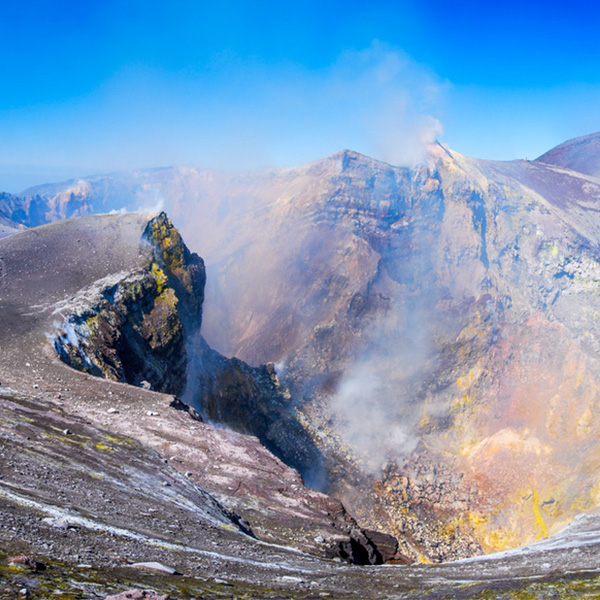
Snow is precious to Etna and its inhabitants, but in the event of an eruption, it can become a danger. In fact, as has happened in the past, if snow fills certain cavities at high altitude, it creates veritable “time bombs.” When lava touches these pools of snow, melting a large amount of it in a matter of seconds, it generates an interaction with the water vapor that can cause sudden explosions.
Some people have been injured by “phreatic” explosions like these. The explosion can generate jets of boiling steam or even lava fragments that rain down on anyone nearby. This is why it’s important, in the event of lava flows on snow, to always keep a safe distance and avoid, perhaps, taking selfies just a meter away from the mass of fire.
The risk of these situations is the only downside of snow on a volcano like Etna. Otherwise, having this beautiful white blanket on our mountain is always a splendid secular blessing. (PHOTOS BY G. MUSUMECI)