Etna protects itself—or, rather, through its very name, it protects us: the local residents, hikers, and tourists who love this volcano and feel a close connection to it… even if it is dangerous! By way of a slight linguistic stretch, the acronym “ETNAS” stands for “Etna Integrated Alert System.” While this might sound like a highly technical subject—perhaps of interest only to a select few—knowing that ETNAS exists is also reassuring for those who visit the volcano for leisure. Let’s take a closer look.
Etna: the Great Mother Volcano
Located on the eastern coast of Sicily, Italy, Etna is one of the most famous and active volcanoes in the world. Standing at an altitude of approximately 3,400 meters, it holds the record as the highest active volcano in Europe, dominating the surrounding landscape and nearly three-quarters of the island. For the local people, however, Etna is female—a “mother” figure, in fact—who must be feared, respected, and loved.
Etna has been active for thousands of years, making it a fundamental part of Sicily’s history and geography. Its eruptions can produce lava flows, ash clouds, and spectacular fire fountains. Although volcanic activity can sometimes be dangerous, the fertile volcanic soil is excellent for agriculture; for this reason, the area surrounding Etna is densely populated. The volcano is also a renowned tourist attraction. Every year, thousands of visitors travel to Etna to explore its evocative landscapes, walk its nature trails, and admire its craters. Visitors can also take part in guided tours, use the cable car, and enjoy breathtaking views of the surrounding countryside and the Mediterranean Sea.
In 2013, Mount Etna was recognized as a UNESCO World Heritage Site, owing to its scientific significance and natural beauty.
 Is Mount Etna something to fear?
 Is Mount Etna something to fear?
While Mount Etna’s presence on the eastern coast of Sicily serves as a major tourist attraction and a natural asset for the region, it can also pose a danger. Although sometimes—and incorrectly—referred to as a “friendly” volcano, it is, actually, neither good nor bad; it is simply a “young” volcano that is still evolving. Consequently, its activity shifts over time and can, at times, become truly dangerous.
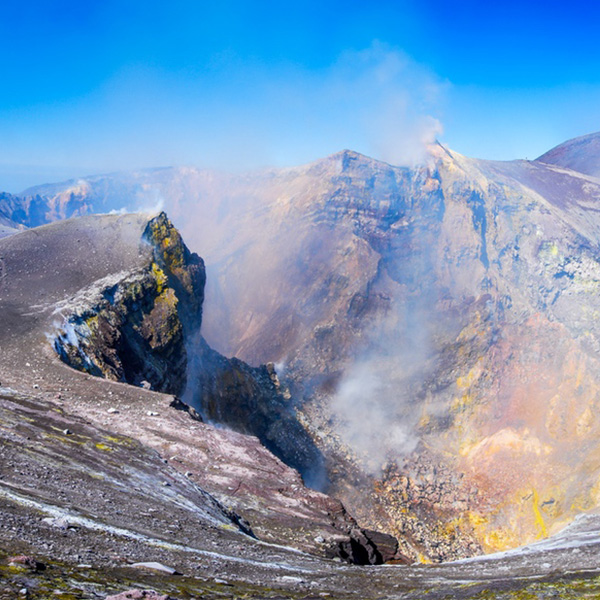
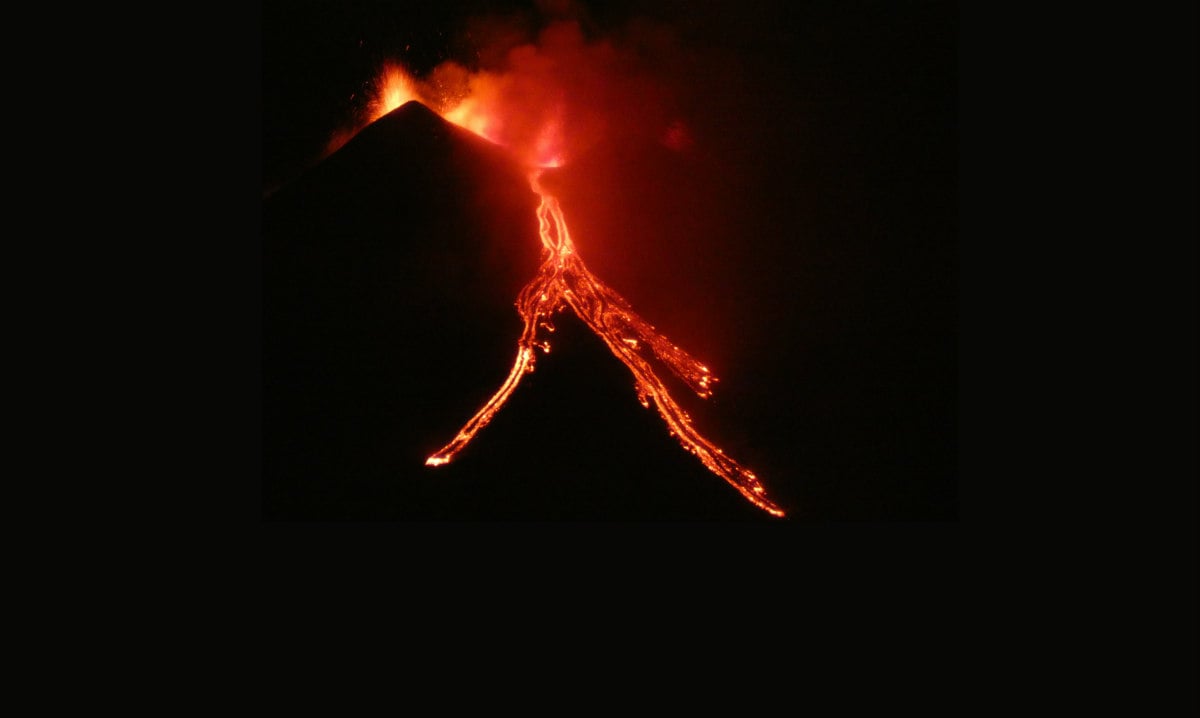
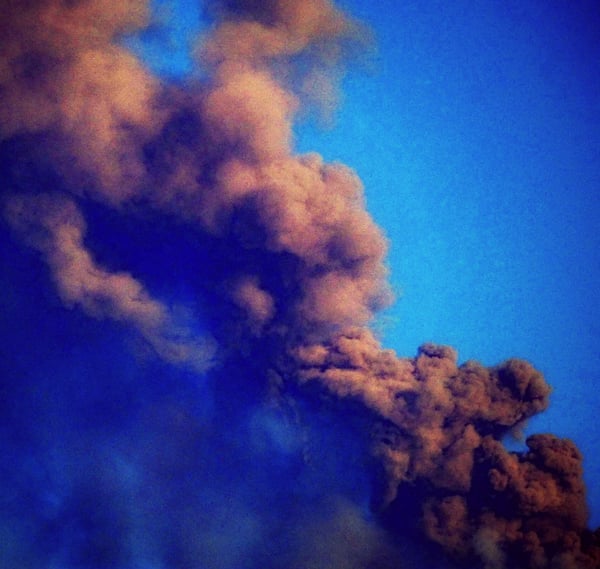
The primary risk stems from lateral volcanic eruptions. Etna erupts frequently, typically from its four summit craters—located well away from populated areas—with lava, ash, lapilli, and gases often spilling into the vast, barren landscape surrounding the peak. However, during lateral eruptions, lava flows can reach roads, houses, and farmland, destroying everything in their path. Volcanic ash, meanwhile, can disrupt air traffic, at times forcing the closure of Catania Airport. In some instances, eruptions may be accompanied by violent explosions and lava fountains.
Another significant danger is posed by earthquakes.
Mount Etna is situated in a zone characterized by intense seismic activity. The movement of magma within the volcano and the fracturing of rock can trigger powerful tremors. These earthquakes have the potential to damage buildings, roads, and infrastructure, particularly in the towns located near the volcano. To reduce risks, scientists from the National Institute of Geophysics and Volcanology (INGV) constantly monitor the activity of Mount Etna. Furthermore, the Civil Protection department organizes emergency plans to protect the population.
The vital contribution of ETNAS
ETNAS is one of the innovations introduced in recent years to complement the field work of volcanologists and geologists at the INGV in Catania.
A fully integrated alert system consists of various technological components that leverage high-speed data acquisition and processing to deliver reliable results. Detecting an event (early detection), monitoring it, and disseminating forecasts requires near-absolute precision; it must work in tandem with human expertise—in the case of Mount Etna, this means the skills of INGV volcanologists and Civil Protection volunteers.
As stated on the INGV website: “ETNAS is a digital platform capable of aggregating multiple alert subsystems and independent data sources—each based on distinct geophysical and geochemical models or datasets—to provide the best possible centralized alert tool for volcanic eruptions. The advantage of ETNAS lies in its ability to channel all warnings into a single hub, preventing the fragmentation of information. Furthermore, it is a standardized system, making it both scalable and adaptable as needed.”
The ETNAS system provides an alert status that varies according to the volcano’s current level of activity. For lava fountains, the scale ranges from F0 to F2, while for magma intrusion into volcanic conduits, it ranges from I0 to I1.
F0 indicates total calm—the baseline state recorded during the typical lulls between eruptions.
F1 indicates that the volcano is preparing for explosive activity, with the possibility of lava fountains beginning at any moment.
F2 indicates that lava fountains are “highly likely” or “already happening.”
I0 indicates a low probability of magma intrusion. Finally, I1 indicates a high probability of magmatic intrusion.
The value of ETNAS for visitor safety
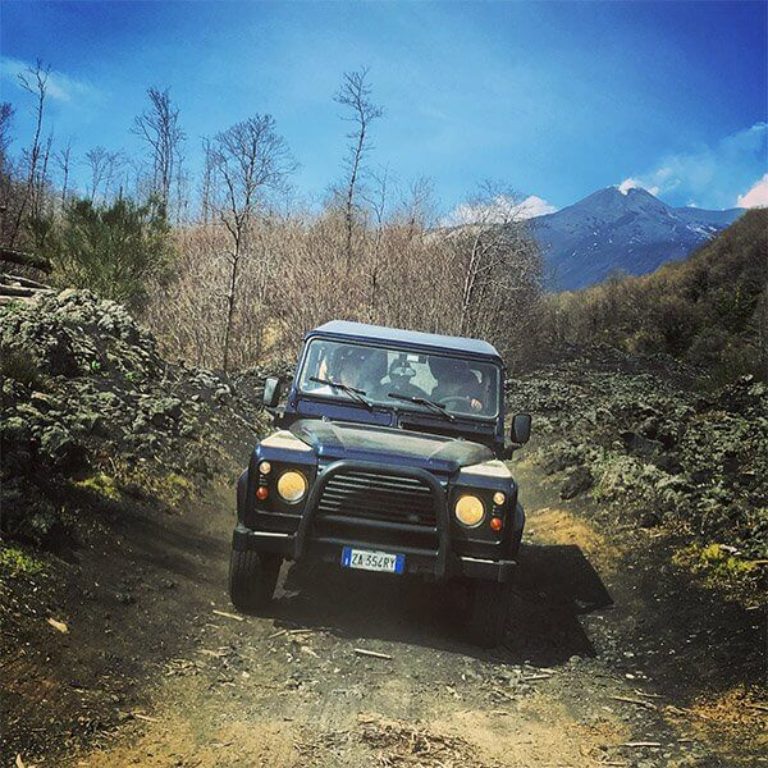
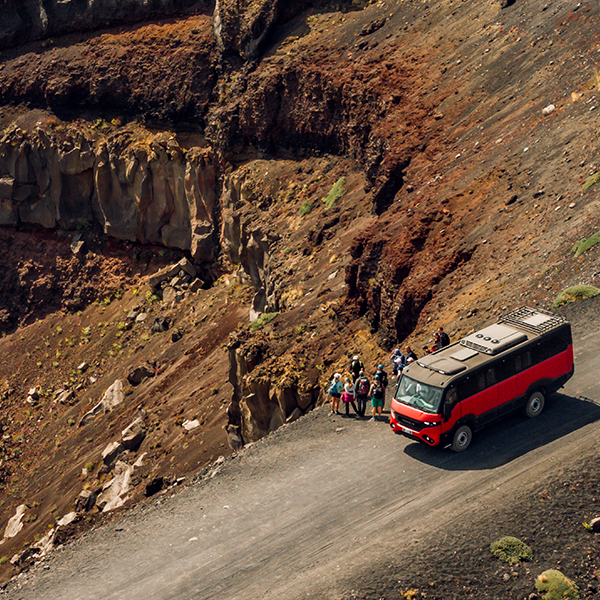
When alert levels rise to F1, authorities begin restricting access to the volcano’s summit and high-risk areas (such as the Valle del Bove). Guides are then tasked with escorting visitors to safe, ideally elevated, vantage points from which they can observe the eruption securely.
Closing the summit areas is crucial when lava fountains are imminent—not only due to the risk of falling heavy debris (boulders), incandescent material (fiery lapilli), or toxic substances (ash clouds), but also because of the danger of landslides and pyroclastic flows. While Etna differs from Vesuvius—and such hot debris flows are not frequent—they can occur when the volcano enters a particularly “violent” phase of its eruptive history. People may complain about prohibitions and barriers, but in the event of an eruption, such restrictions can—at times—save lives.
ETNAS has already proven instrumental in saving lives; for instance, during a sudden landslide at the Southeast Crater on June 2, 2025—a public holiday when trails were crowded with tourists—the system’s alert had already prompted the closure of the summit and the Valle del Bove. Consequently, the tourists who witnessed the flow firsthand were positioned at a higher, completely safe elevation. Similarly, in August 2026, ETNAS ensured that no tourists were present at the summit during a violent eruption, which included a pyroclastic flow triggered by a sudden fissure. (PHOTOS G. MUSUMECI)